Published: 12/03/2025
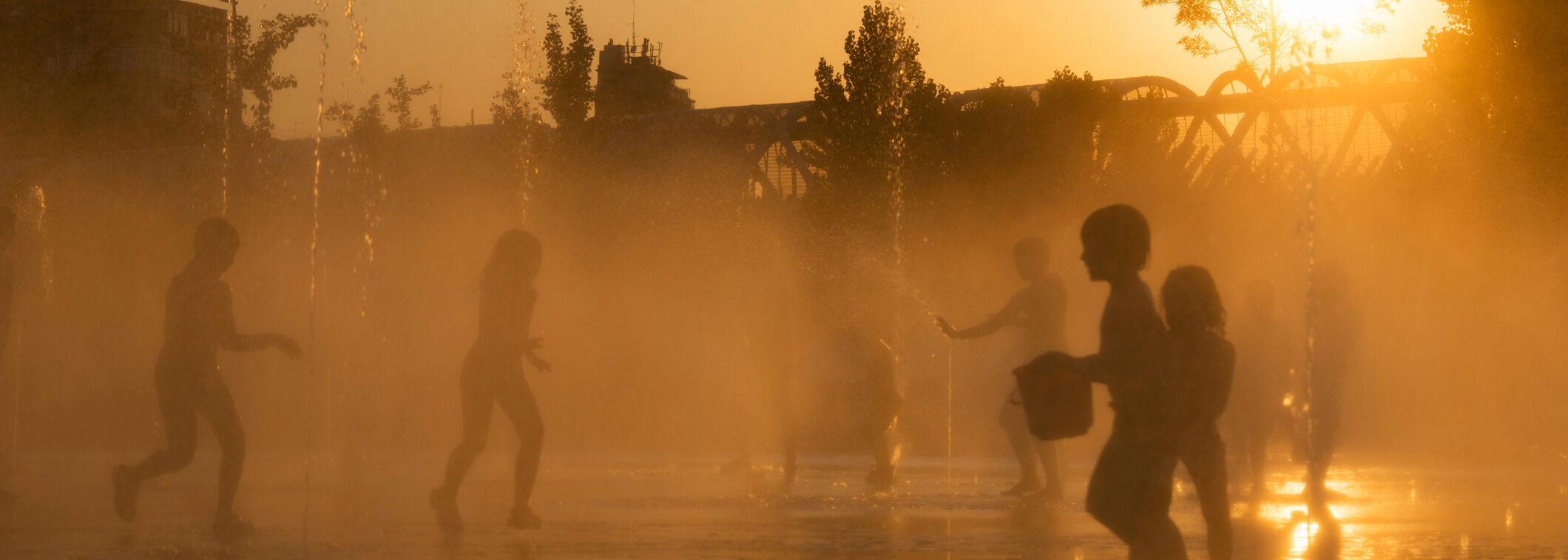
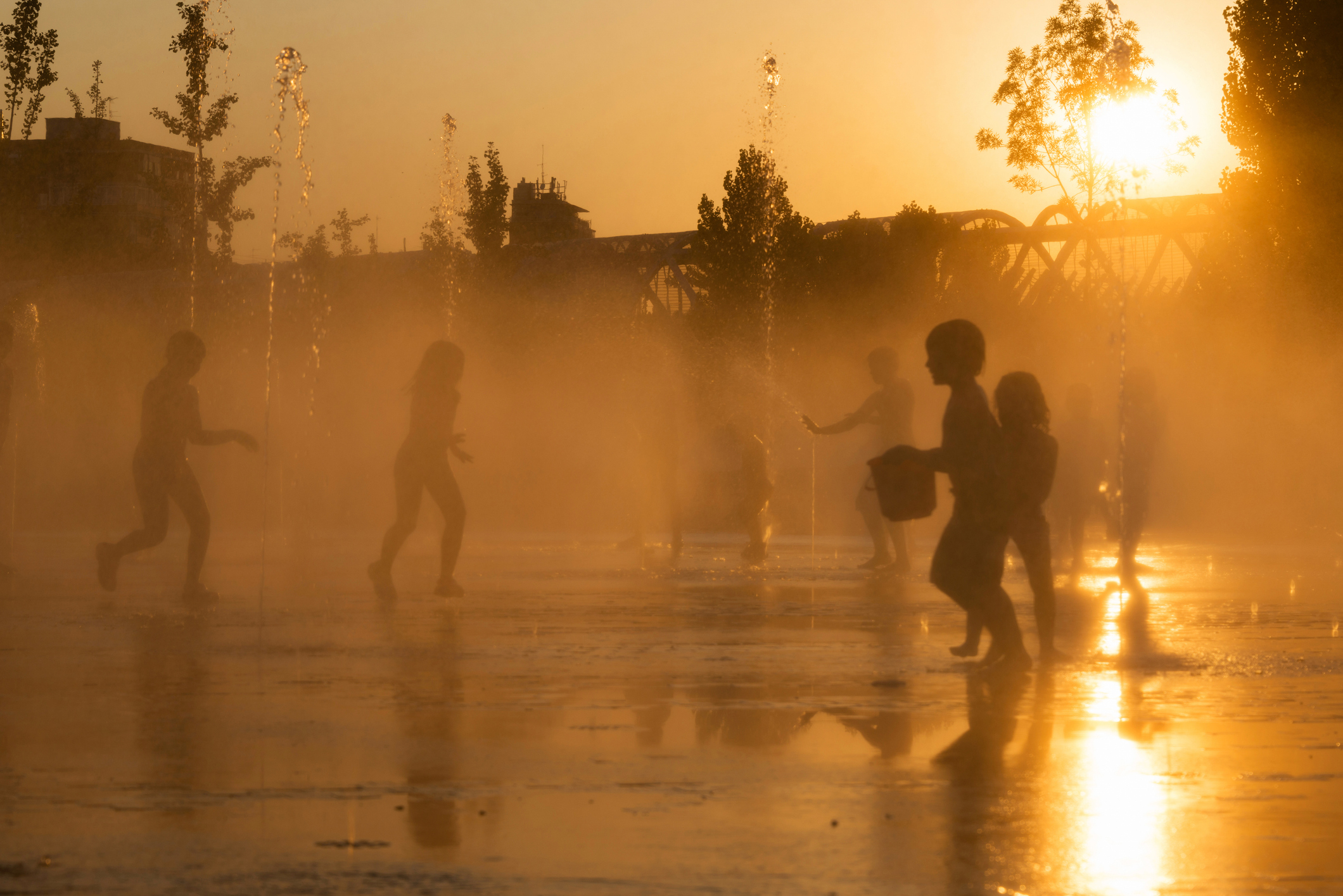
Photo: Children play in water to keep cool during a heat wave in Spain. Young children are among many vulnerable groups whose health is impacted by extreme heat.
Interview by Michal Ruprecht, Global Health Media Fellow
While the intersection of climate change and health has been studied for decades, it has yet to be broadly incorporated into medical training.
“Our doctors know this link exists, but they’re not receiving training in it,” Dr. Barbara Erny, an adjunct clinical associate professor at Stanford University School of Medicine, said. “While our medical and physician assistant students have led the effort to incorporate some of this education into the curriculum for the past five years, more work needs to be done.”
That’s why Erny and Dr. Desiree LaBeaud, the associate dean of global health at Stanford University School of Medicine, lead the Climate Learning Initiative in Medical Education, also known as CLIME.
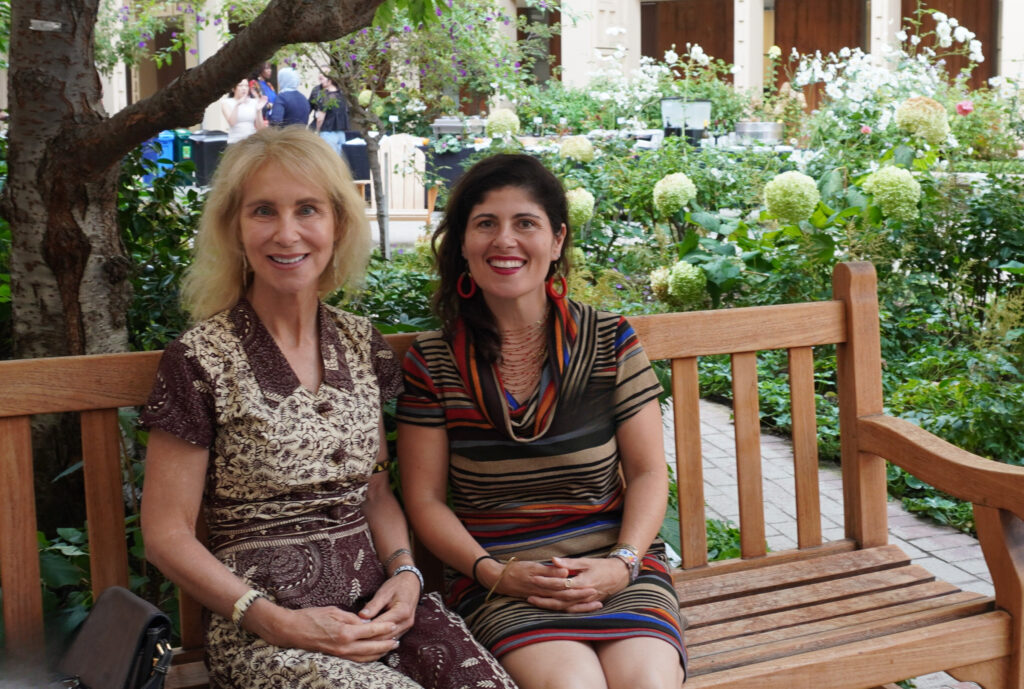
The program — supported by the Stanford Fund for Climate Change Education, Stanford Center for Innovation in Global Health and Stanford Center for Human and Planetary Health — aims to incorporate climate into medical education.
Stanford’s global health media fellow, Michal Ruprecht, sat down with Erny to discuss the program she launched in 2024. This conversation has been edited for length and clarity.
What’s something that surprised you when you first started learning about the intersection of climate change and health?
I was surprised and alarmed to learn that climate change is affecting virtually every organ in our bodies, worsening many diseases, altering vector ecology and impacting migration patterns. I was also surprised by how much climate change is causing anxiety, depression and exacerbating mental health disorders. What didn’t surprise me is that people with pre-existing conditions, the elderly, children and those who live in under-resourced communities and developing countries are most prone to harm.
What inspired you to start CLIME?
I have been a faculty advisor for a student-led group called Stanford Climate and Health since 2019. We have a curriculum committee that works on infusing climate change and health education into medical school courses. Last year, I thought we should expand this to medical trainees and faculty. With the guidance of Dr. Lonnie Shumsky and several of my peers, we started CLIME.
Why did you expand the program to physician residents?
We realized a lot of our residents and fellows don’t come from Stanford and may not come from a medical school that provides any climate and health education. Even if they do, they may have only learned about basic science. Residents, though, need to learn more about advocacy and how to apply this knowledge clinically.
What does advocacy look like?
We’re trying to work with residents across all specialties to teach them how to support and educate their patients and communities. For example, residents should know how to counsel patients on the symptoms of heat stroke. We hope that, beyond this, our Stanford-trained physicians will learn how to be advocates in their communities, speaking to the health impacts of climate change and practicing medicine in a more sustainable way.
Are you worried that the recent cuts to climate change-related research will impact your work?
CLIME is a group made up of volunteers, so we’re not directly affected by the federal cuts. We’ve got everyone from deans to alumni generously giving their time to make this happen. While national and global climate education groups continue to forge ahead, funding cuts are going to stifle future research investigating the ways that climate is impacting health. But there is plenty of information we can use now to get physicians ready to recognize problems and respond to them.
What is the CLIME team working on right now?
We are working with a few departments to add content to their curricula. We are focused on creating longitudinal, comprehensive curricula like the kind that Dr. M. Lauren Lalakea has developed for the otolaryngology department. She’s also working with a national team to make a module for otolaryngology residents that can be used at all training programs, and other CLIME members are encouraged to participate beyond Stanford. I’m on the steering committee of the Climate Resources for Health Education, which is part of the Global Consortium on Climate Health Education.
You mentioned that you’ve worked a lot with medical students. What initiatives are you all working on right now?
The medical and physician assistant students at Stanford have grown up knowing about climate change, and they recognize that it will affect their entire careers. Frankly, they are worried they don’t get taught enough. Students from Stanford Climate and Health are not only working with faculty to infuse more materials into their curricula, but they are also producing events to teach the community about climate risks.
What do you hope participants gain from CLIME?
We really want to drive a cultural shift so that whenever a physician sees a patient, it’s on their mind that climate is a social determinant of health. Our vision is that every Stanford-trained physician will have knowledge and skills in diagnosis, treatment and advocacy to address the health and health equity impacts of climate change and to practice healthcare sustainably.
Community members interested in joining CLIME can find more information here.